Beach landscaping is the planned and eco-friendly development of coastal areas to protect the natural beach environment while making it safe, attractive, and accessible for people.
It involves assessing the beach conditions, cleaning polluted areas, and restoring sand dunes using native coastal plants that help bind sand and reduce erosion.
Through community participation and regular maintenance, beach landscaping supports biodiversity, strengthens coastal resilience against climate impacts, and creates sustainable public spaces where people can enjoy the beach without harming its natural balance.
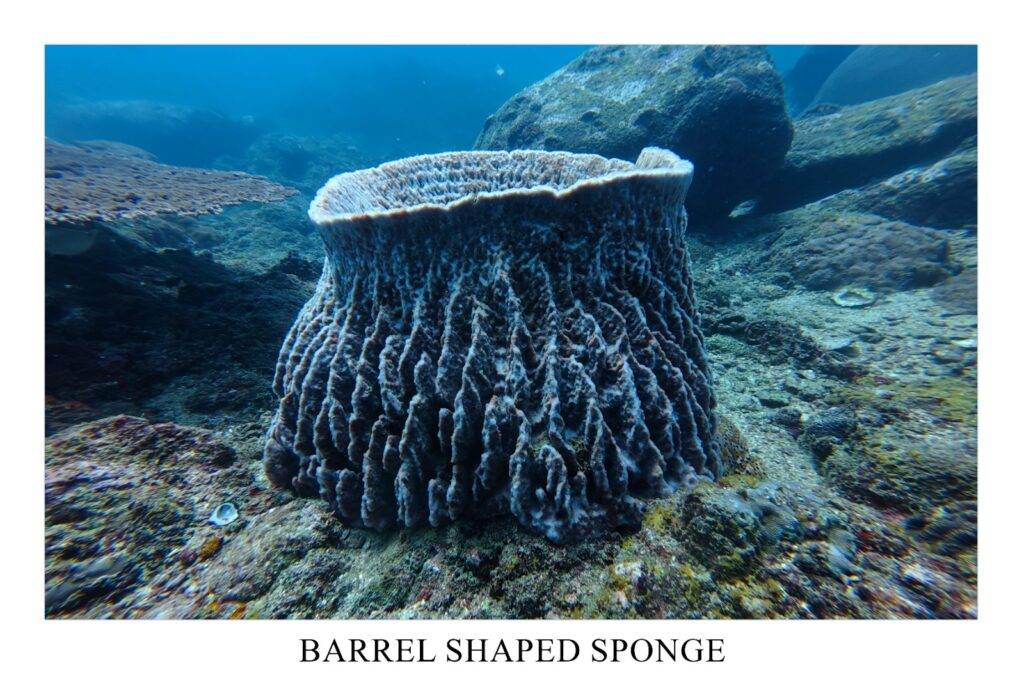
Coral reef restoration is a critical conservation intervention aimed at reversing the progressive degradation of reef ecosystems caused by climate change, marine pollution, destructive fishing practices, and unregulated coastal development. Coral reefs are among the most biologically diverse ecosystems on the planet, providing essential habitat for marine species, protecting coastlines from erosion and storm surges, and sustaining coastal livelihoods through fisheries and tourism. When reef systems are damaged, their natural regenerative capacity is often limited or disrupted, making active, science-based restoration interventions essential to re-establish ecological balance and resilience.
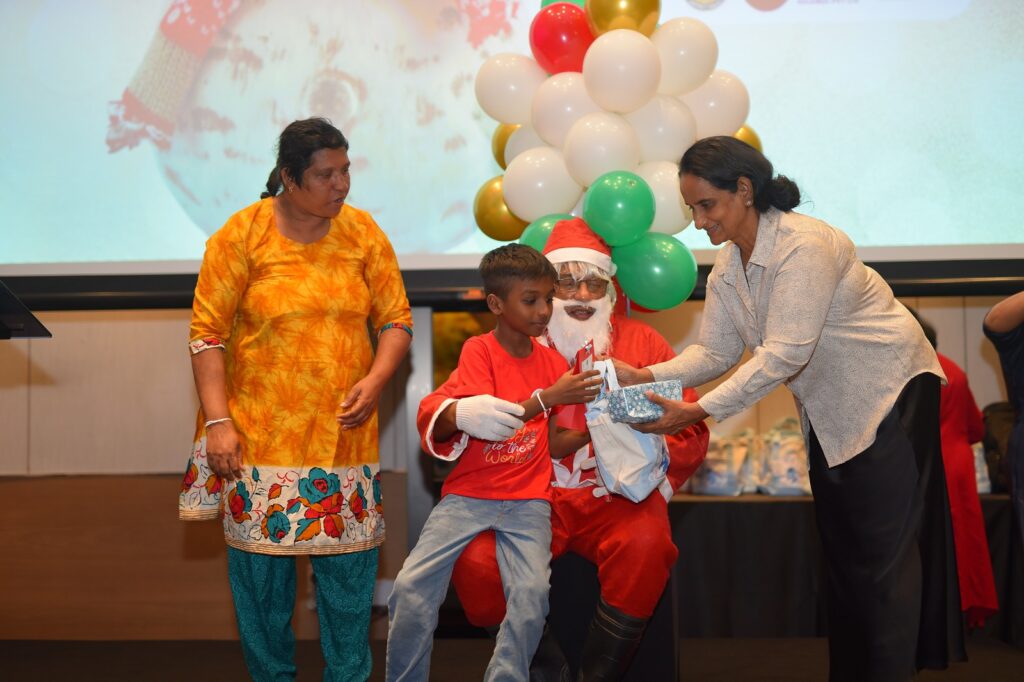
Inspired to continue its journey of compassion and impact, the second major activity of the Waves of Hope initiative was organized as a heartfelt Christmas celebration for children bravely undergoing cancer treatment. Titled “Healing Hearts,” the event was held on 22 December 2025 at Courtyard by Marriott, bringing together joy, empathy, and social purpose during the festive season.
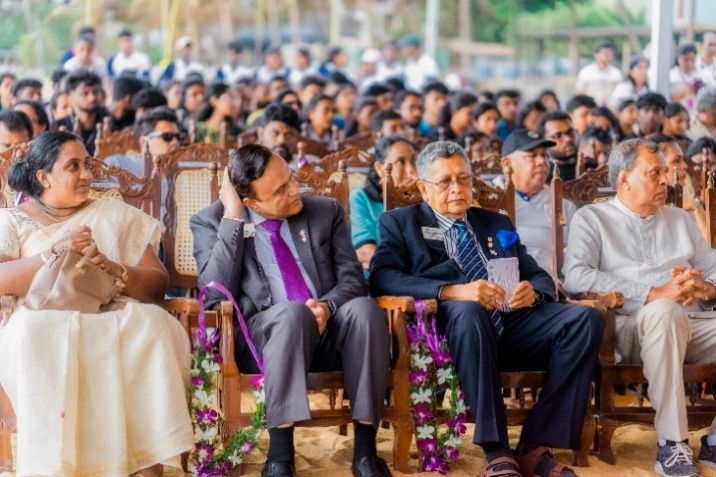
As the inaugural phase of the Waves of Hope initiative, the founder, drawing from experience as a certified diver and active Leo Club member launched an Ocean Photography Exhibition after witnessing the striking contrast between the ocean’s breathtaking beauty and its growing vulnerability.